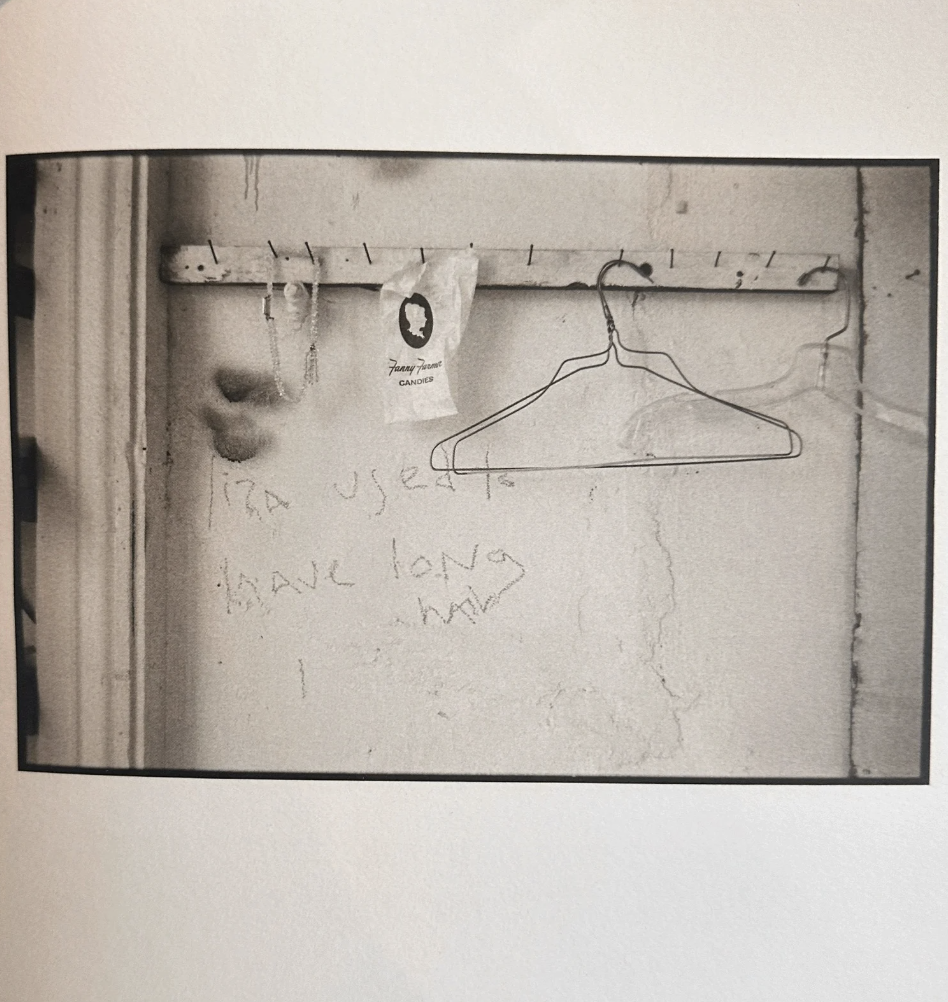
Every Sound I’ve Ever Made
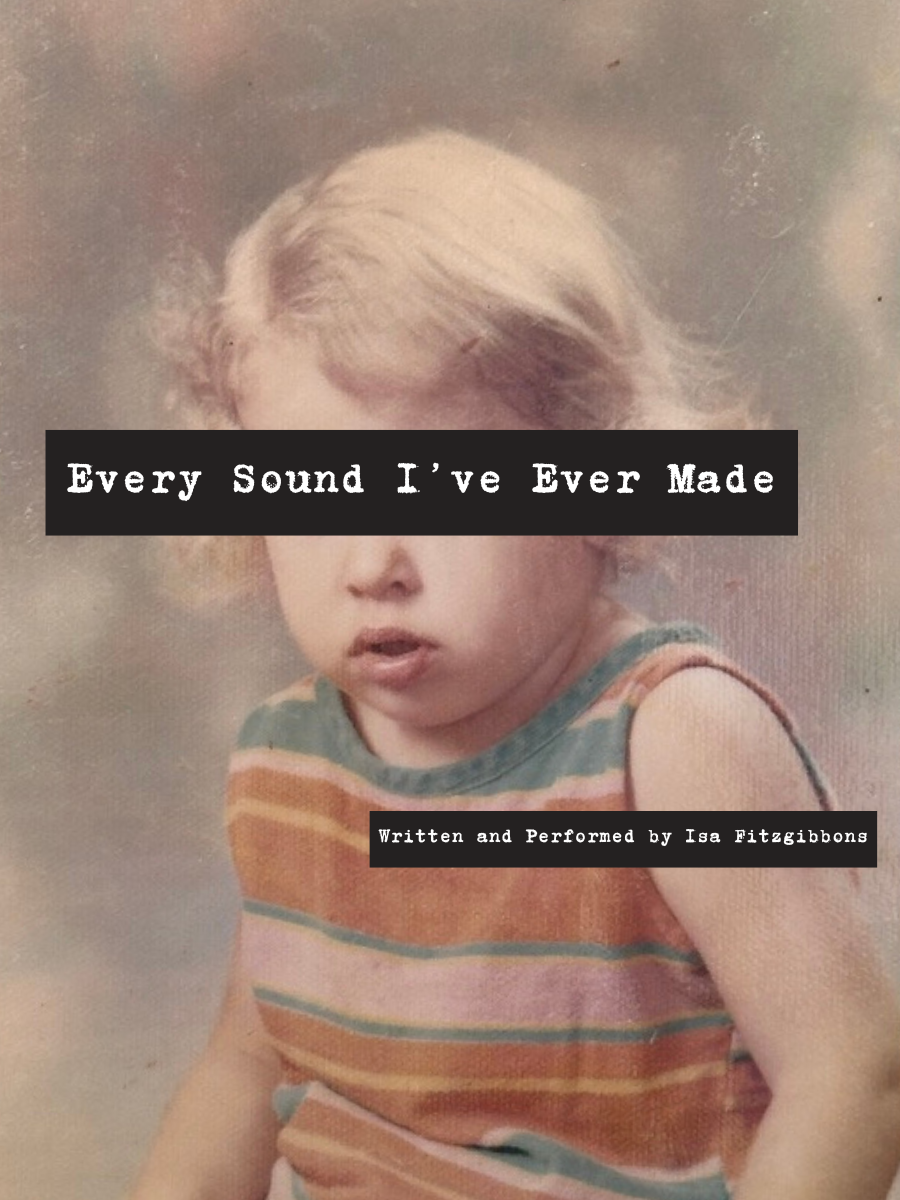
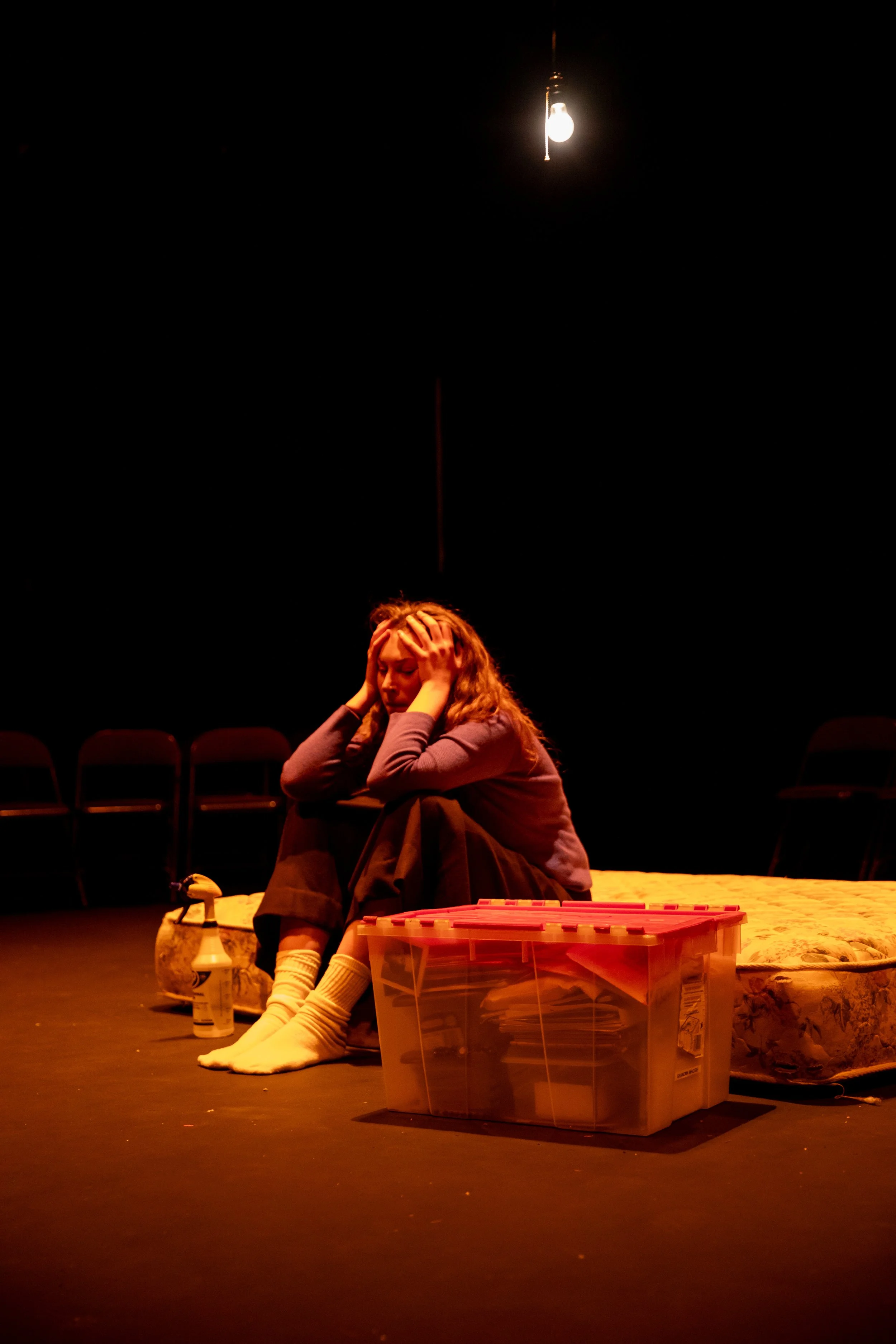
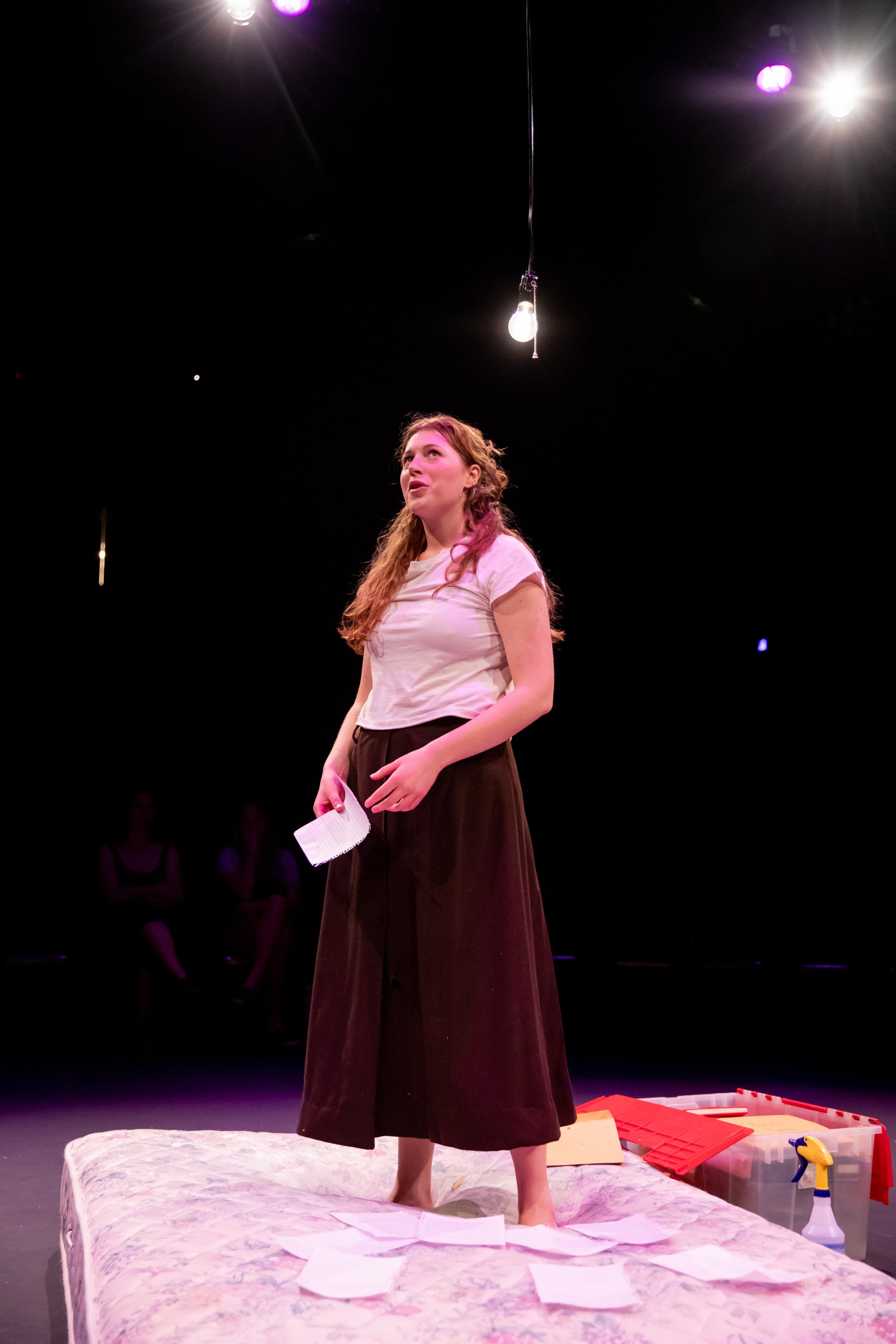
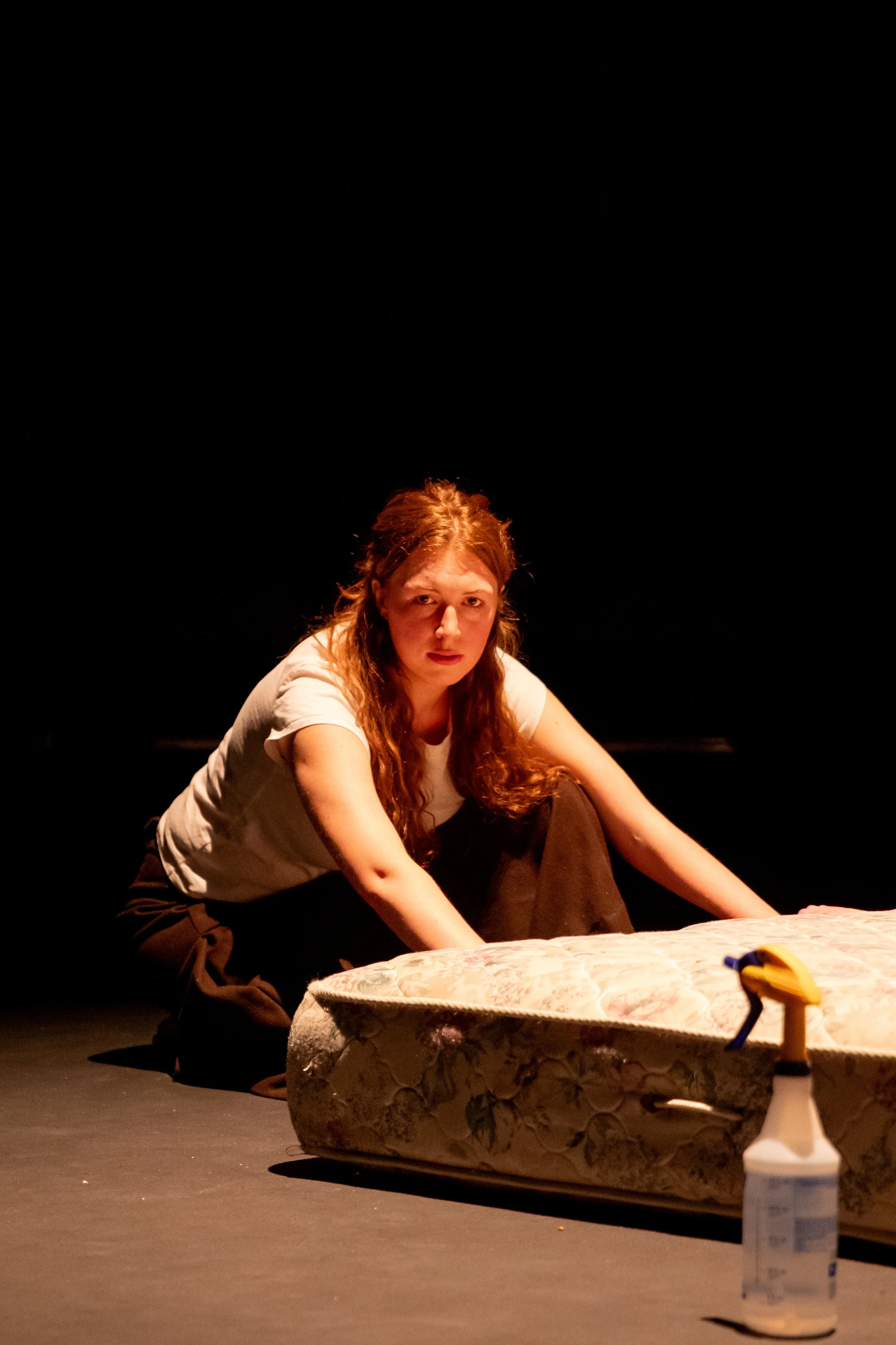
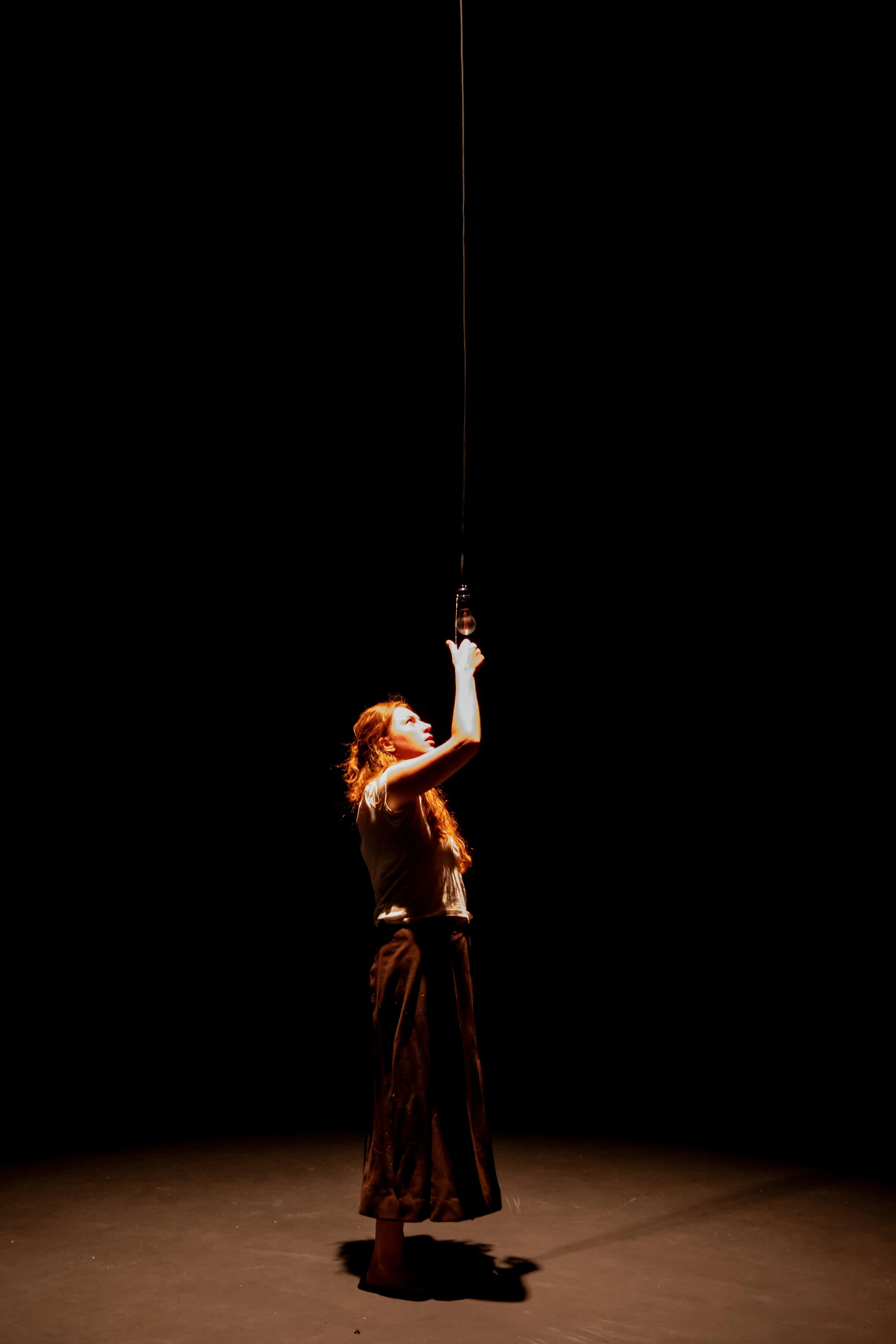
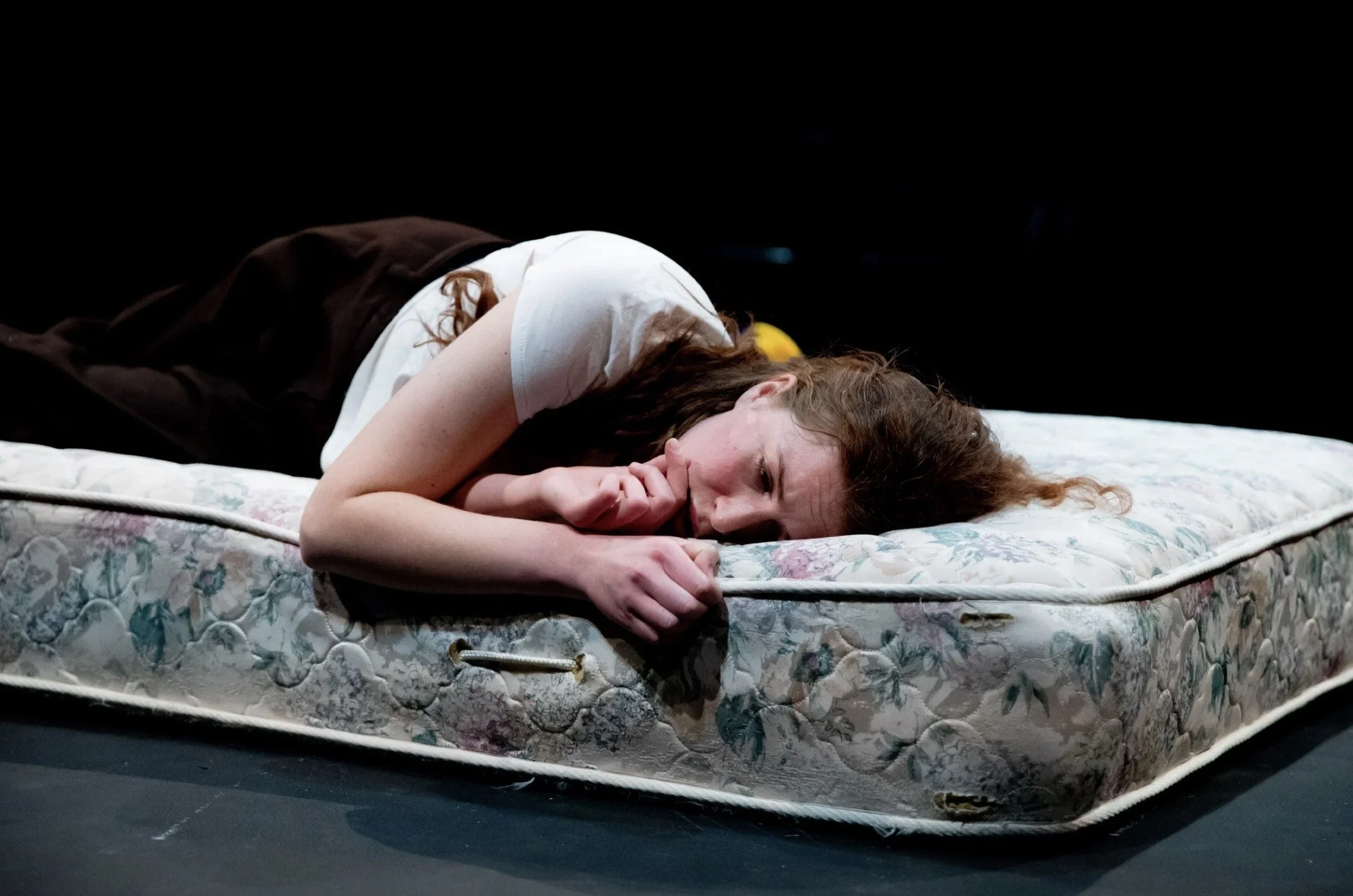
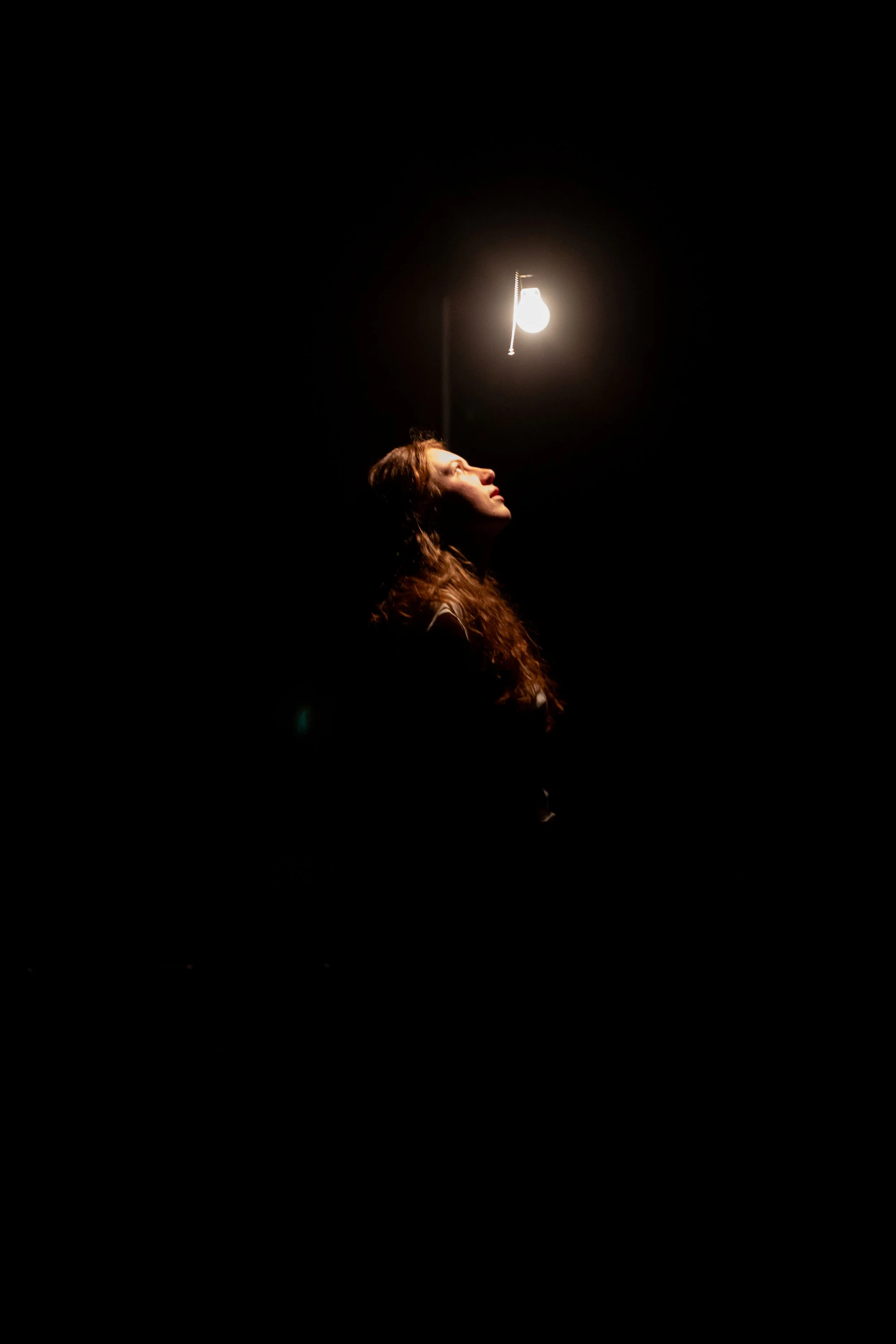
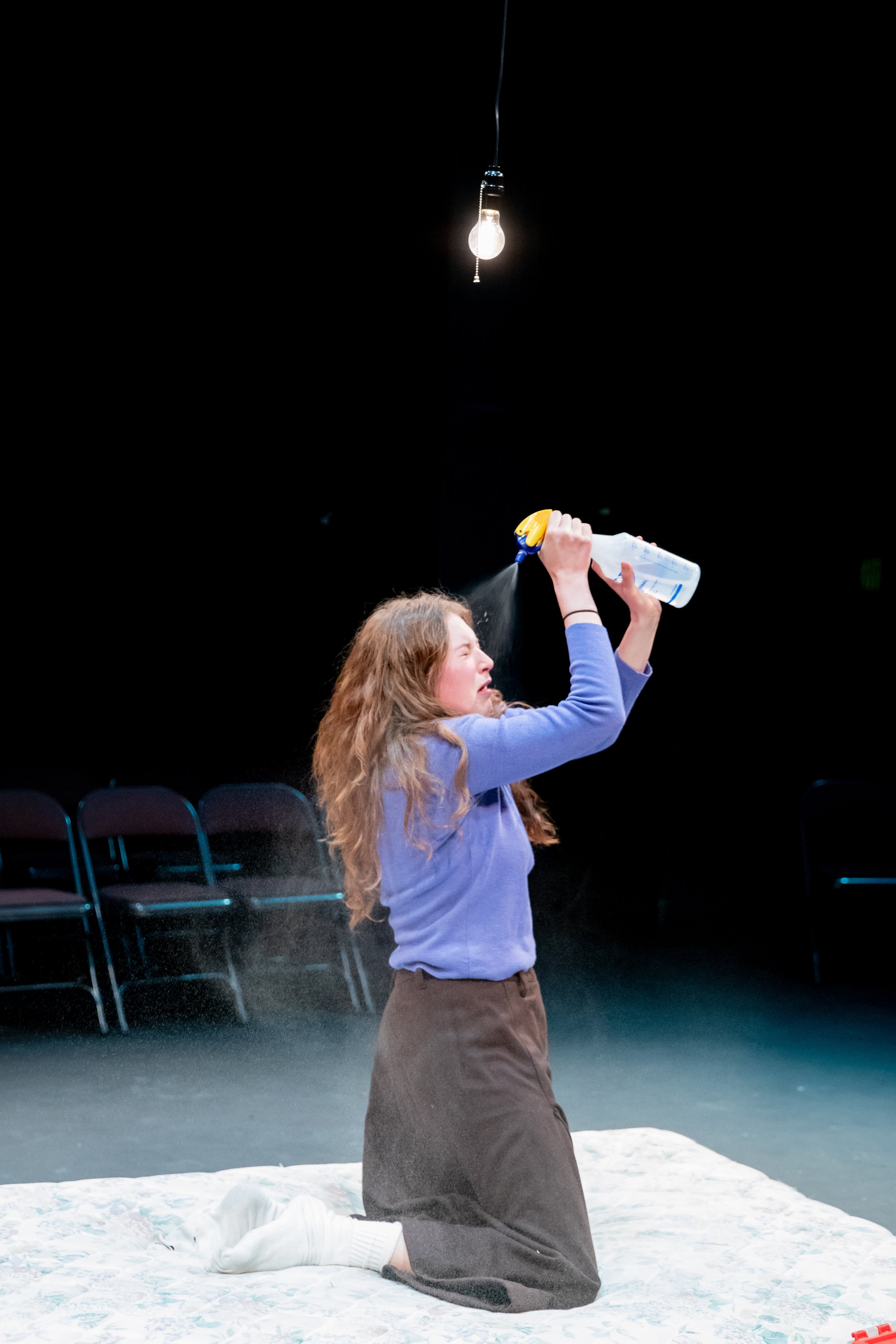
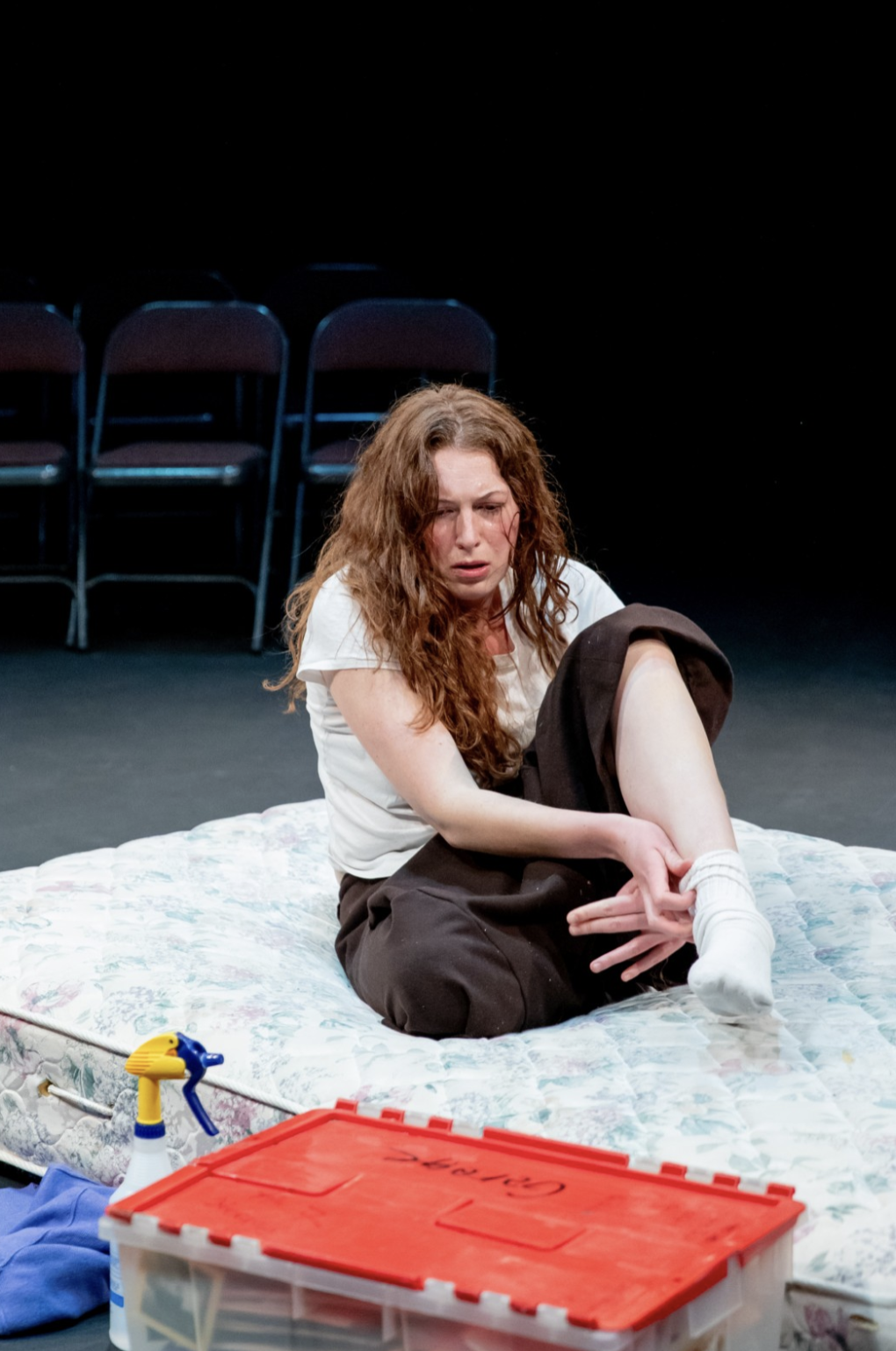
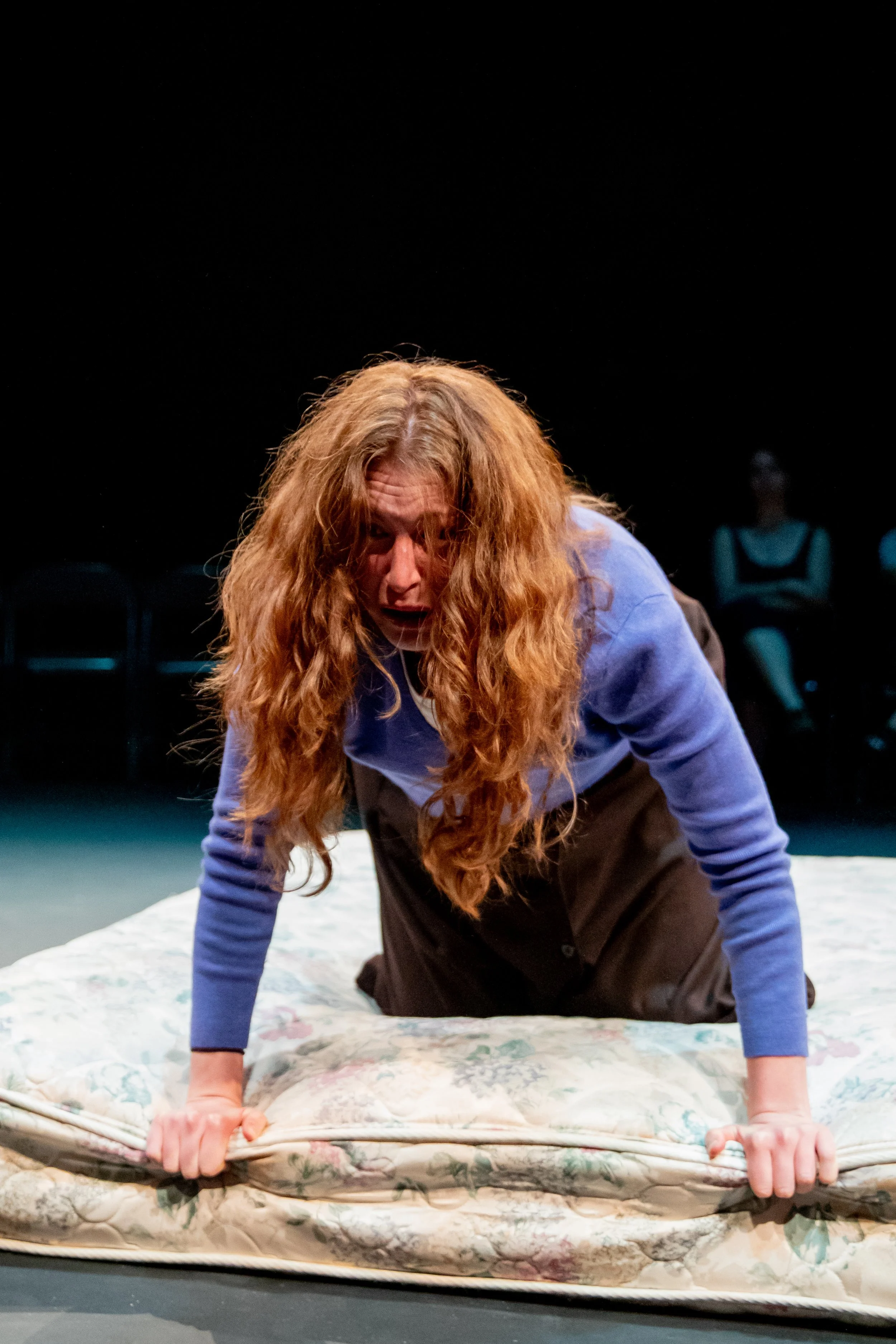
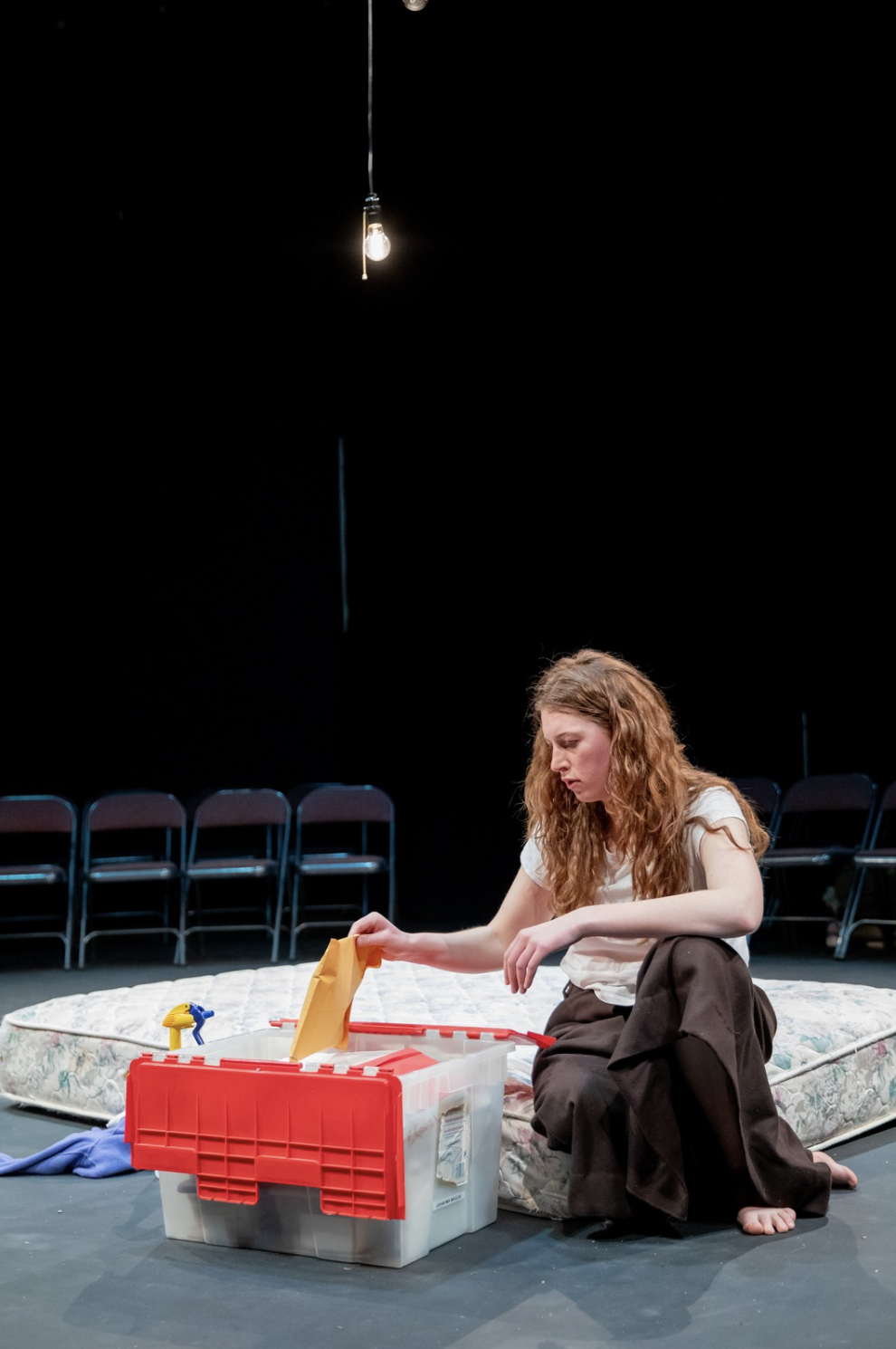
Originally devised under a summer research grant and revised as an undergraduate thesis, Every Sound I’ve Ever Made interrogates the distance women’s voices fill when memory and identity diverge. Based on a true story, the revision of Every Sound I’ve Ever Made is an intimate portrait of one woman’s journey to reconcile a familial legacy of silence and resistance. The play received its first workshop showing in April of 2026 and remains in development.
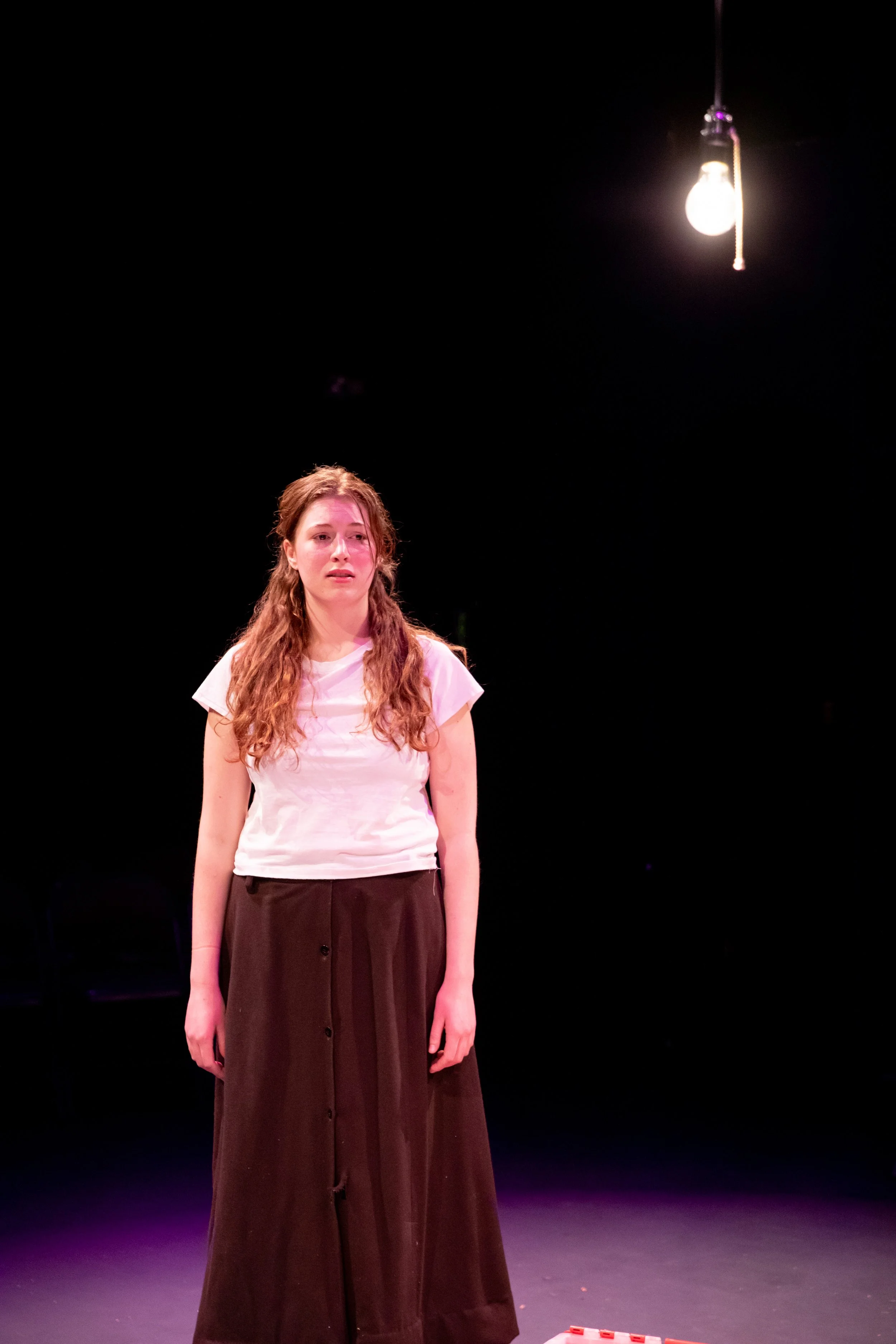
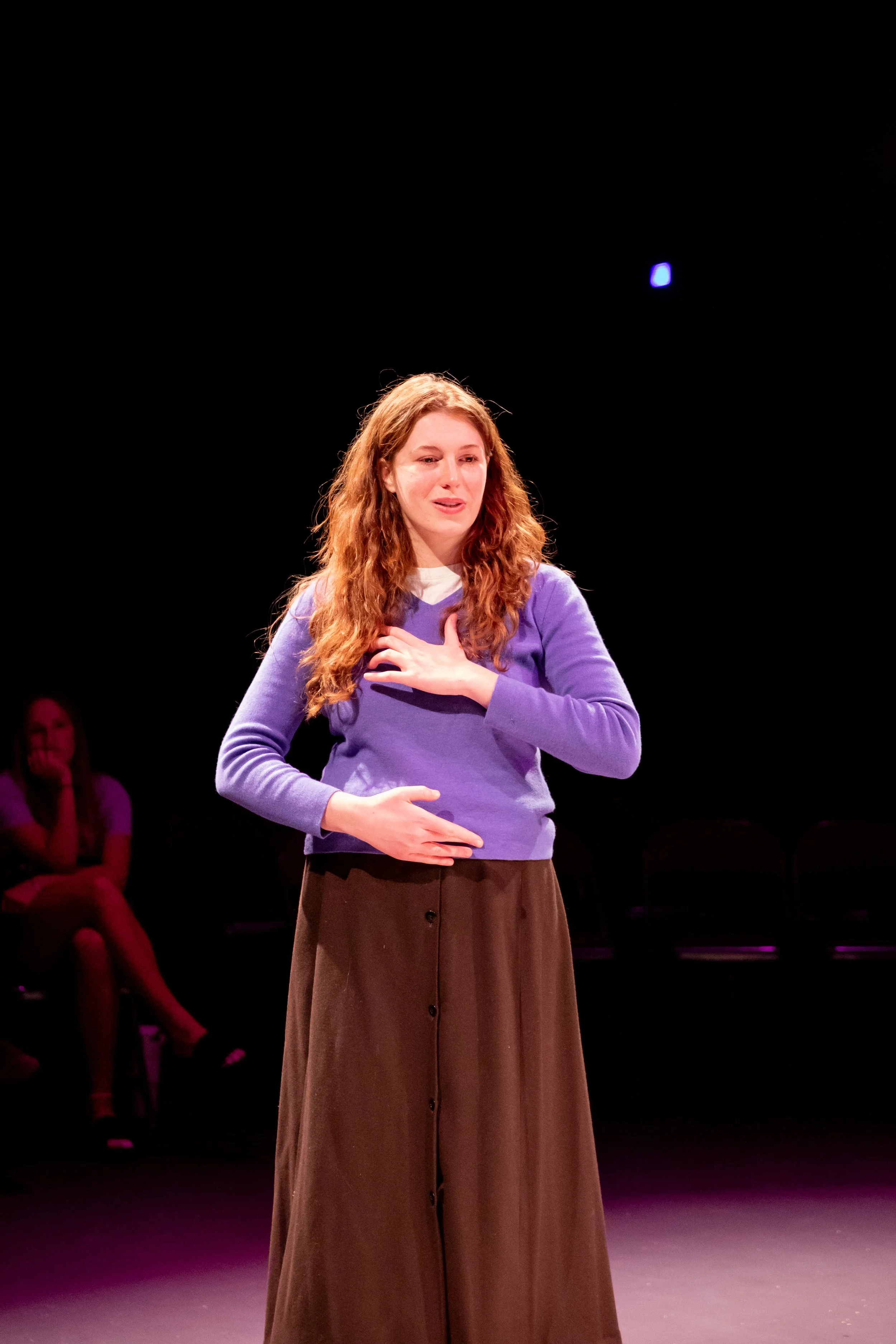
Dramaturgy and Sensorial Research
Beginings
“At first, Every Sound I’ve Ever Made was the response to a research question – Devised during a period of summer research, I wove elements of the Linklater Technique, a theatrical voice method, and the works of female poets in an effort to explore the liberation of the woman’s voice in professional theatre spaces.
Developed using a collage methodology, the production followed a feminist dramaturgy* and interpretative narrative structure.
As I concluded the period of summer research during which the piece was developed, I knew I wanted to work within the show’s modes and themes further, but felt something was missing. The singular of my first draft felt like a beginning, but lacked elements crucial to my personal understanding of voice.”
Revision
“After I decided to continue developing Every Sound I’ve Ever Made for my thesis, I began the revision process. First, this included synthesizing the thematic umbrellas that drew me to seek revision in the first place, then exploring how those themes, and the research which preceded them, may speak to a different narrative.
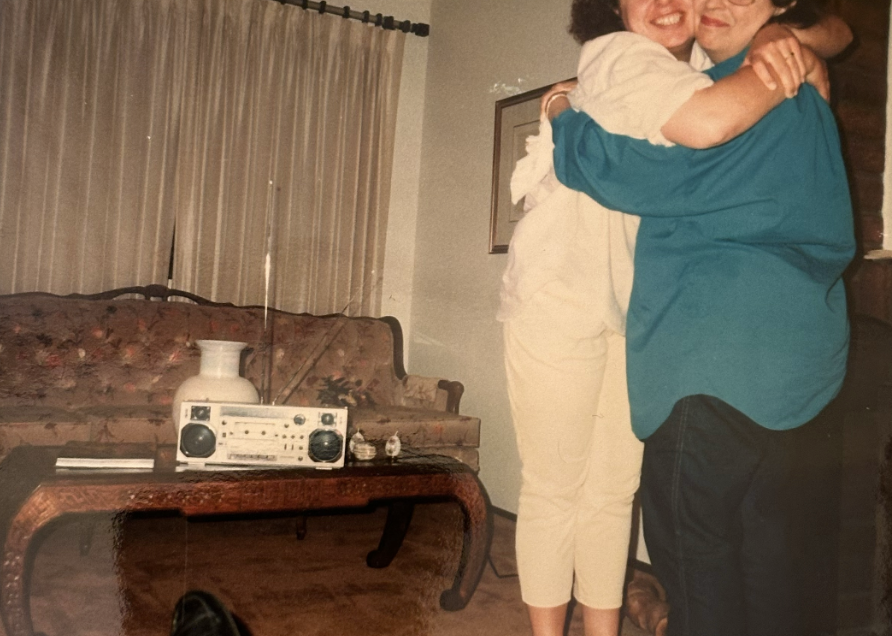
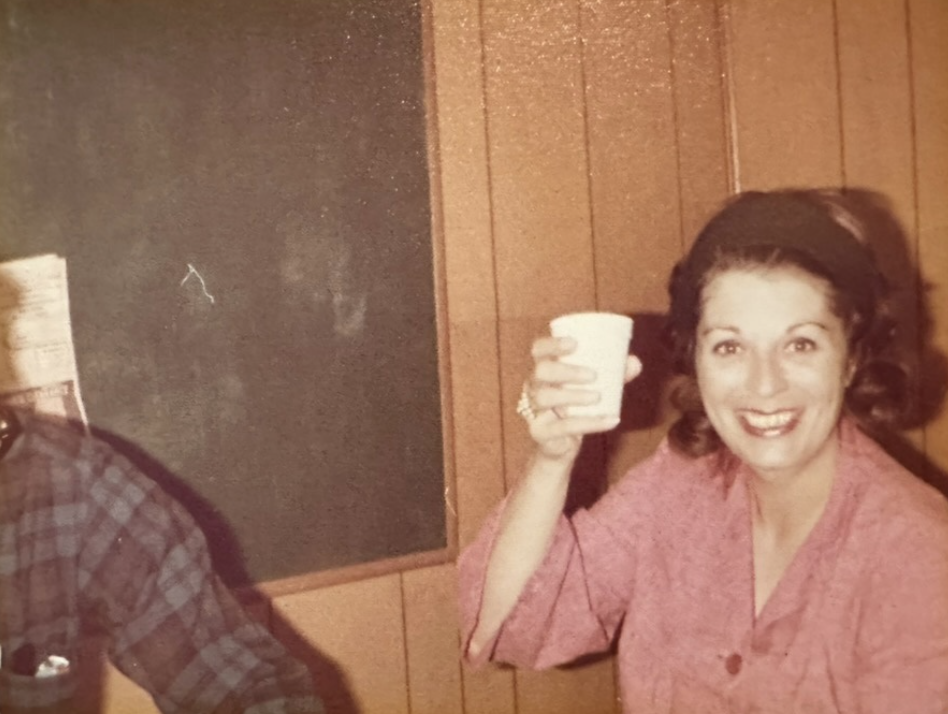
Next, I conducted archival research in my family’s own records, searching for stories, images, and materials in which voice and sound were used in a liberatory context.
During this process, I learned not only about legacies of voice and silence in my own family but also how my understanding of these legacies had been distorted by my own relationship with the concepts.”
Writing and Development
“As I was writing, it was important to me to talk through the piece with peers and mentors as much as possible.
Every week, I would write a set amount and then meet with my advisor, who had read that week’s work. It was during these conversations that the show began to take form and, ultimately, became what it is today. It was vital to have a regular and dedicated space where my work was interpreted and challenged by an outside eye.
Upon the completion of my first draft, I met with several readers with whom I engaged in similar conversations.
Those who read the piece during its development were not merely proofreaders, but trusting collaborators who contributed their own artistic talents and perspective. I, and this piece, are indebted to their input and creative generosity.”